



Coffee Plantations in Chikkamagalur – Exploring the Heart of India’s Coffee Country
When people think of Chikkamagalur, they often picture mist-covered hills,…


 206 Views
Chikkamagalur and coffee are inseparable. Long before the town became known for misty hill views and weekend escapes, it was coffee that shaped its identity, economy, and culture. Every winding road, every plantation trail, and every quiet homestay conversation eventually circles back to coffee. At the centre of this legacy stands the Coffee Museum in Chikkamagalur, a space dedicated to preserving, explaining, and celebrating India’s deep-rooted coffee story.
Unlike museums that feel distant or academic, the Coffee Museum offers something more personal. It doesn’t just tell you what coffee is—it shows you how it lives in Chikkamagalur. For travellers, it becomes a bridge between scenic plantation visits and real understanding. For locals, it is a reminder of the crop that built livelihoods and shaped generations.
To understand the Coffee Museum, one must first understand Chikkamagalur’s relationship with coffee. This region is widely regarded as the birthplace of Indian coffee cultivation. According to popular belief, coffee was introduced to India when Baba Budan brought coffee beans from Yemen in the 17th century and planted them in the hills near Chikkamagalur. Over time, these hills proved ideal for coffee growing, thanks to their altitude, rainfall, soil quality, and climate.
Coffee soon became more than an agricultural product. It shaped settlement patterns, employment, and even social structures. Estates developed around coffee cultivation, workers’ communities grew, and an entire ecosystem formed around planting, harvesting, processing, and exporting beans. Today, when people talk about Chikkamagalur’s charm, they are often unknowingly describing the world coffee built.
The Coffee Museum exists to make this invisible history visible.
The Coffee Museum was established with a clear intention: to educate visitors about coffee beyond the cup. While most people enjoy coffee daily, very few understand the journey it takes from plant to brew. The museum addresses this gap by presenting coffee as agriculture, science, culture, and livelihood—all at once.
Rather than overwhelming visitors with technical jargon, the museum adopts a storytelling approach. Exhibits are designed to guide visitors step by step through coffee’s journey, allowing even first-time visitors to follow along easily. This accessibility makes the museum appealing to a wide audience, from casual tourists to students, researchers, and coffee enthusiasts.
The Coffee Museum is modest in size, but thoughtfully laid out. As you enter, there is a noticeable shift in atmosphere. The space feels calm, informative, and purposeful. Displays are arranged in a logical sequence, encouraging visitors to move through the exhibits rather than skim them.
The smell of coffee lingers subtly, immediately grounding you in the subject. Visual panels, models, photographs, and equipment are used to explain concepts rather than relying heavily on text. This balance keeps the experience engaging without feeling like a classroom lesson.
What stands out immediately is how rooted the museum feels in the local context. This is not a generic coffee exhibit—it is distinctly Chikkamagalur’s story being told.
One of the most compelling sections of the Coffee Museum focuses on the origins of coffee in India. Through illustrated panels and historical references, visitors are introduced to the legend of Baba Budan and the journey of coffee beans into the Western Ghats.
This section explains how coffee cultivation slowly spread across the hills, adapting to Indian soil and climate. Visitors learn about the early challenges faced by growers, the experimentation involved in understanding the plant, and the gradual establishment of estates. The museum does not romanticise this process entirely; it acknowledges the labour, risk, and patience involved in building a coffee economy.
For many visitors, this section reframes coffee as a story of migration, adaptation, and perseverance.
Moving deeper into the museum, the focus shifts to coffee as a plant. Exhibits explain the differences between Arabica and Robusta, the two primary coffee varieties grown in India. Visitors learn about their distinct characteristics, growth requirements, flavour profiles, and yield patterns.
This section is particularly useful for visitors who have only experienced coffee as a beverage. Seeing how delicate coffee plants are, how dependent they are on shade, rainfall, and temperature, and how long they take to mature creates a new respect for the process.
Models and diagrams illustrate the coffee plant’s life cycle, from seedling to flowering to fruiting. The coffee cherry, often overlooked by consumers, becomes central here. Understanding that each bean comes from a fruit helps visitors grasp why processing is such a crucial step.
One of the most informative sections of the Coffee Museum focuses on processing methods. This is where visitors truly understand how coffee’s taste is shaped long before brewing.
The museum explains traditional and modern processing techniques, including wet processing, dry processing, pulped natural methods, and fermentation. Equipment used for pulping, washing, drying, and grading beans is displayed, often accompanied by clear explanations of each step.
This section reveals how small variations in processing can significantly alter flavour, aroma, and quality. For coffee drinkers accustomed to choosing blends or roasts, this behind-the-scenes look adds depth to everyday choices.
The journey doesn’t end with green beans. The Coffee Museum takes visitors through roasting techniques, explaining how light, medium, and dark roasts affect flavour profiles. Displays show roasting equipment and discuss temperature control, timing, and consistency.
Grinding methods and brewing styles are also covered, offering insight into how preparation choices influence taste. While the museum does not function as a café, it provides enough information to make visitors more conscious of how they brew coffee at home.
For many, this section becomes the most relatable, connecting museum learning to daily habits.
What makes the Coffee Museum particularly meaningful is its emphasis on people. Coffee is not presented as an isolated product but as a livelihood that sustains thousands of families in the region.
Exhibits highlight plantation workers, estate managers, exporters, and researchers who contribute to the coffee ecosystem. The museum acknowledges the labour involved in planting, harvesting, and processing, offering visitors a more complete and respectful understanding of coffee production.
This human dimension ensures the museum doesn’t feel commercial or promotional. Instead, it feels grounded in real lives and shared effort.
The Coffee Museum works well as an educational space for visitors of all ages. School groups often visit to learn about agriculture, science, and sustainability. Adults find value in understanding a familiar product more deeply. Even seasoned travellers discover new perspectives.
The museum’s pacing allows visitors to absorb information without fatigue. It encourages curiosity rather than rushing people through exhibits.
Many visitors choose to visit the Coffee Museum at the beginning of their Chikkamagalur trip. Doing so enhances subsequent plantation visits, as travellers are better equipped to understand what they see in the fields.
After visiting the museum, walking through coffee estates feels more meaningful. The plants, drying yards, and processing units tell a clearer story, turning sightseeing into informed exploration.
One of the strengths of the Coffee Museum is that it does not assume prior knowledge. Visitors don’t need to be coffee enthusiasts to enjoy the experience. The museum is about process, place, and people as much as it is about coffee itself.
Even those who prefer tea or drink coffee casually often leave with a deeper appreciation for the region and its heritage.
Unlike crowded tourist attractions, the Coffee Museum offers a calm and reflective experience. There are no loud guides, no overwhelming crowds, and no pressure to move quickly. Visitors are free to take their time, read, observe, and reflect.
This atmosphere aligns perfectly with Chikkamagalur’s overall pace, making the museum a natural fit for the destination.
In an age where consumption is often disconnected from origin, the Coffee Museum plays an important role. It reconnects people with processes, landscapes, and labour. It reminds visitors that coffee is not just a beverage but a product of time, care, and environment.
For Chikkamagalur, the museum safeguards cultural memory. It ensures that as tourism grows, the story of coffee remains central and respected.
One of the most important themes the Coffee Museum helps visitors understand—sometimes indirectly—is the deep connection between coffee and the land itself. Coffee does not grow in isolation. It is shaped by climate, altitude, rainfall patterns, soil composition, and shade. Chikkamagalur’s geography offers a rare combination of these elements, which is why coffee cultivation flourished here long before it spread to other parts of India.
The hills surrounding Chikkamagalur create natural shade and temperature moderation, protecting coffee plants from extreme heat. Seasonal monsoon rains nourish the soil while also determining harvest cycles. The Coffee Museum highlights how even slight changes in rainfall or temperature can affect yield and quality. For visitors, this insight reframes coffee as an agricultural product deeply vulnerable to environmental change.
This understanding becomes especially relevant in the context of climate change. Coffee farmers today face challenges that previous generations did not—unpredictable rainfall, rising temperatures, and shifting pest patterns. While the museum does not take an alarmist tone, it subtly educates visitors on why sustainable farming practices are becoming essential to preserve coffee cultivation in regions like Chikkamagalur.
Beyond processes and plants, the Coffee Museum quietly foregrounds the human stories that sustain the industry. Coffee in Chikkamagalur is grown, harvested, sorted, and processed by thousands of people whose lives are shaped by the crop’s success. Estate workers, many of whom belong to families that have worked on plantations for generations, form the backbone of this ecosystem.
The museum’s exhibits, photographs, and narratives help visitors recognise the scale of labour involved. Coffee harvesting, in particular, is a manual process that requires precision and care. Each cherry must be picked at the right time to ensure quality. Visitors often leave with a newfound respect for the hands behind their daily cup of coffee.
This human focus adds emotional depth to the museum. Coffee stops being an abstract commodity and becomes a shared effort rooted in community and continuity. For travellers, this perspective fosters empathy and appreciation, encouraging more mindful consumption.
In Chikkamagalur, coffee is woven into daily life in ways that go far beyond economics. Conversations begin over coffee, hospitality is expressed through it, and routines are built around its rhythms. The Coffee Museum reflects this cultural dimension subtly, showing how coffee influences lifestyle, identity, and social interaction.
Visitors learn how coffee estates shaped local settlements, education opportunities, and even food habits. The museum demonstrates that coffee is not merely grown here—it is lived. This cultural framing distinguishes the museum from commercial showcases and makes it feel authentic rather than promotional.
For many visitors, this is where the experience becomes most memorable. Understanding coffee as culture allows them to connect more deeply with Chikkamagalur as a place, not just a destination.
Chikkamagalur is often experienced through scenic drives, viewpoints, waterfalls, and plantation stays. While these offer visual and sensory pleasure, the Coffee Museum provides intellectual and emotional context. It explains why the landscape looks the way it does, why plantations are structured as they are, and why coffee remains central to the region’s identity.
Many travellers who visit the museum early in their trip report a richer overall experience. Plantation tours feel more meaningful. Conversations with locals become more informed. Even simple acts, like sipping coffee in the morning, carry greater awareness.
In this way, the Coffee Museum acts as a foundation for understanding Chikkamagalur rather than just another stop on an itinerary.
One of the most understated strengths of the Coffee Museum is how it aligns with slow travel. The space does not demand attention through spectacle. Instead, it invites visitors to linger, read, reflect, and absorb information at their own pace. There is no rush to move on, no pressure to consume the experience quickly.
This approach resonates with travellers seeking depth rather than checklist tourism. In a destination like Chikkamagalur, where time seems to move differently, the museum fits naturally into the rhythm of the place.
The Coffee Museum is not just about preserving the past; it is also about shaping the future. By educating visitors—especially younger audiences—about coffee’s journey, challenges, and cultural significance, the museum plays a role in safeguarding the industry’s future.
Awareness leads to responsibility. Visitors leave better informed about sustainability, ethical sourcing, and the impact of consumer choices. For a region so closely tied to coffee, this awareness is crucial.
The Coffee Museum in Chikkamagalur is more than an informational stop—it is an experience that deepens your understanding of the region. By tracing coffee’s journey from hillside plant to everyday cup, the museum adds context and meaning to everything else you see in Chikkamagalur. Whether you are a casual traveller, a coffee lover, or someone curious about local heritage, the museum offers insight that stays with you long after your visit.
And if you’re planning to explore Chikkamagalur’s coffee trails, plantations, and cultural landmarks at a relaxed pace, choosing the right place to stay makes all the difference. Hotels in Chikmagalur like Olive Hotel provide a comfortable, thoughtfully designed base close to key attractions. With modern amenities and a peaceful atmosphere, it’s the ideal place to unwind after a day of exploration—completing your Chikkamagalur experience with ease and comfort.

When people think of Chikkamagalur, they often picture mist-covered hills,…

Mullayanagiri Peak is the highest point in Karnataka, rising to…
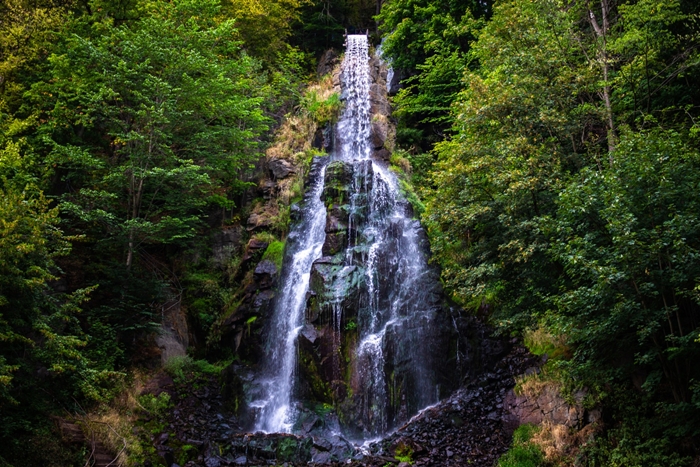
Tucked deep within the lush hills near Kemmangundi, Hebbe Waterfalls…