



Mullayanagiri Peak – Exploring the Highest Peak in Karnataka
Mullayanagiri Peak is the highest point in Karnataka, rising to…


 17 Views
When people think of Chikkamagalur, they often picture mist-covered hills, winding mountain roads, and lush green valleys. But beneath that scenic beauty lies something even more defining — coffee. Coffee plantations in Chikkamagalur are not just agricultural spaces; they are the soul of the region. They shape its landscape, influence its economy, and define its cultural identity.
Often referred to as the birthplace of Indian coffee, Chikkamagalur holds a special place in the country’s agricultural history. The story goes back to the 17th century, when Baba Budan is believed to have brought coffee beans from Yemen and planted them in the hills that now bear his name. What began as a small cultivation experiment evolved into one of India’s most important coffee-producing regions.
Today, coffee plantations in Chikkamagalur stretch across rolling hills, forming an endless tapestry of green. Visiting them is not simply about seeing crops; it is about stepping into a living ecosystem where history, agriculture, and nature coexist harmoniously.
The legacy of coffee in Chikkamagalur is deeply intertwined with its geography. The region’s elevation, cool climate, and rich soil create ideal conditions for cultivating high-quality Arabica and Robusta coffee. Over centuries, plantations expanded across hills and valleys, gradually transforming the town into Karnataka’s coffee capital.
During British rule, coffee estates developed more systematically. Plantation management practices evolved, processing methods improved, and global export networks strengthened. Many of the estates operating today have histories that trace back generations.
Walking through these plantations often feels like stepping into a storybook. Old colonial-style bungalows stand quietly among trees. Stone pathways wind through shaded groves. Processing units hum steadily during harvest season. Every corner carries traces of legacy.
Coffee plantations in Chikkamagalur are not just commercial farms; they are heritage landscapes.
Several natural factors make Chikkamagalur one of the best coffee-growing regions in India. The region’s geography, climate stability, soil composition, and ecological balance work together to create conditions that are remarkably suited to producing high-quality coffee beans. Unlike flat agricultural zones where crops depend heavily on artificial intervention, coffee plantations in Chikkamagalur benefit from a naturally supportive environment. It is this harmony between land and climate that gives the region’s coffee its distinct identity.
Most plantations are located between 3,000 and 5,000 feet above sea level, placing them at an ideal altitude for cultivating premium coffee varieties, particularly Arabica. This elevation ensures moderate temperatures throughout the year, with cool mornings, mild afternoons, and noticeably crisp evenings. Unlike hotter plains where crops mature rapidly, the cooler climate of Chikkamagalur slows the growth cycle of coffee cherries.
This slower maturation process is crucial. When coffee cherries ripen gradually, the beans inside develop more complex sugars and acids. This results in deeper flavor profiles, subtle aromatic notes, and balanced acidity. The cooler air also reduces plant stress, allowing shrubs to thrive without excessive watering or chemical intervention. As a result, the coffee grown here often carries refined characteristics that appeal to specialty coffee markets.
The Western Ghats receive substantial monsoon rainfall, and Chikkamagalur benefits directly from this seasonal pattern. Annual rainfall supports healthy crop cycles and ensures that coffee plants receive adequate hydration during crucial flowering and fruiting stages. The first monsoon showers typically trigger blooming, covering plantations in delicate white blossoms that emit a fragrance reminiscent of jasmine.
Consistent rainfall during the growing season allows cherries to swell and mature evenly. At the same time, the region’s natural drainage — supported by sloping terrain — prevents water stagnation, protecting roots from damage. This balance between abundant rain and effective drainage creates stable growing conditions. It also reduces dependence on artificial irrigation systems, preserving the ecological integrity of plantations.
Beyond climate and rainfall, the soil in Chikkamagalur plays a significant role. The region’s red loamy soil is rich in organic matter and minerals. Because many plantations are shaded by larger trees, fallen leaves decompose naturally, enriching the soil further. This ongoing cycle of natural fertilization maintains soil health and reduces the need for synthetic inputs.
Healthy soil directly impacts bean quality. Nutrient-rich ground supports strong root systems and contributes to balanced flavor development. It is one of the less visible but most critical factors behind the success of coffee plantations in Chikkamagalur.
Unlike sun-grown coffee plantations in some parts of the world, coffee plantations in Chikkamagalur are typically shade-grown. Tall trees like silver oak, jackfruit, and native forest species provide natural cover, creating a layered canopy above coffee shrubs. This shade regulates temperature, prevents excessive evaporation, and protects delicate plants from harsh sunlight.
Shade-grown systems also encourage biodiversity. Birds, insects, and small mammals coexist within plantation ecosystems, helping control pests naturally and contributing to ecological balance. The presence of diverse plant species further strengthens soil structure and moisture retention.
This method of cultivation not only enhances environmental sustainability but also improves bean quality. Coffee grown under shade tends to ripen more evenly and develop nuanced flavor notes. The result is coffee that carries layered taste profiles — often described as smooth, aromatic, slightly fruity, and well-balanced rather than sharp or bitter.
Together, these natural advantages make Chikkamagalur uniquely suited for coffee cultivation. It is not simply about growing coffee; it is about growing it in conditions that allow flavor, sustainability, and tradition to thrive simultaneously.
Visiting coffee plantations in Chikkamagalur is a sensory experience. As you step onto estate grounds, the temperature drops slightly under thick tree cover. The air carries a faint fragrance — earthy, slightly sweet, and unmistakably coffee-like.
Neatly arranged coffee shrubs grow in rows, their glossy green leaves reflecting filtered sunlight. During flowering season, delicate white blossoms cover the plants, releasing a jasmine-like fragrance that fills entire hillsides. During harvest season, red coffee cherries dot the shrubs, creating striking contrast against greenery.
Guided plantation tours often include explanations of:
You may also see drying yards where coffee beans are spread out under the sun or hear the rhythmic sound of processing machines during peak season.
Walking through these estates feels immersive rather than instructional. You begin to appreciate the labor, patience, and precision involved in every cup.
Harvest season in Chikkamagalur typically runs from November to February. This is when plantations become especially active. Workers move carefully through rows, hand-picking ripe cherries to ensure quality.
Unlike mechanized harvesting methods used elsewhere, hand-picking remains common here. This allows farmers to select only perfectly ripened cherries, preserving bean quality.
Post-harvest, cherries undergo processing — either dry processing (natural method) or wet processing (washed method). Each method influences flavor characteristics.
For visitors, harvest season offers the most dynamic plantation experience. Watching the transition from cherry to bean provides insight into coffee’s journey from plant to cup.
Coffee plantations in Chikkamagalur primarily cultivate two major varieties, each contributing differently to the region’s reputation as India’s coffee heartland. While both Arabica and Robusta thrive here, the balance between them depends on elevation, soil conditions, and individual estate practices. Together, they define the flavor diversity that Chikkamagalur coffee is known for.
Arabica is widely regarded as the more delicate and refined of the two varieties. Known for its mild, aromatic, and nuanced flavor, Arabica grows best at higher elevations where temperatures remain cooler and more stable. The hill slopes of Chikkamagalur, especially those closer to Mullayanagiri and Baba Budangiri, provide ideal conditions for cultivating high-quality Arabica beans.
However, Arabica is also more sensitive to climate fluctuations and pests, requiring careful cultivation and consistent monitoring. Plantation owners must manage shade levels, soil nutrition, and moisture carefully to maintain quality. When grown successfully, Arabica coffee from Chikkamagalur often carries subtle notes of fruit, chocolate, or floral undertones, along with balanced acidity. This refined taste profile makes it a favorite among specialty coffee producers and premium café brands.
Robusta, on the other hand, lives up to its name. It is stronger, more resilient, and typically contains higher caffeine content. Robusta plants thrive at slightly lower elevations and can withstand warmer temperatures and pest exposure more effectively than Arabica. This makes them a reliable crop for many estate owners.
In terms of flavor, Robusta tends to be bolder, earthier, and more intense. It often forms the backbone of espresso blends because it adds body and crema. While it may not have the delicate acidity of Arabica, it offers strength and depth that many coffee drinkers appreciate.
Many estates in Chikkamagalur cultivate both varieties, allowing them to experiment with blending techniques. By combining the smooth aromatics of Arabica with the strength and body of Robusta, producers can create distinct flavor profiles tailored to different markets.
This dual cultivation not only ensures economic stability for plantation owners but also showcases the versatility of coffee plantations in Chikkamagalur. Whether enjoyed as a mild filter coffee or a strong espresso, the beans grown here reflect the diversity and adaptability of the region’s coffee heritage.
Several plantations and boutique cafés in Chikkamagalur now offer coffee tasting sessions. These experiences introduce visitors to different roast levels, brewing methods, and flavor notes.
You may sample:
Learning to identify subtle differences enhances appreciation for locally grown beans.
Tasting coffee at its source — surrounded by plantations — feels profoundly different from drinking it in a city café.
One of the most memorable ways to experience coffee plantations in Chikkamagalur is by staying within them. Many estates offer homestays or heritage bungalows where guests can wake up to mist rolling over coffee shrubs.
Morning walks through plantations, birds calling overhead, and fresh coffee served at sunrise create immersive moments.
Plantation stays often combine relaxation with education. Hosts share stories of estate management, weather challenges, and crop cycles. Meals may incorporate locally sourced ingredients, further connecting guests to the region.
Because many coffee plantations are shade-grown and bordered by forests, they support diverse wildlife. It is common to spot:
Some estates near forest reserves may even report rare sightings of elephants or other larger animals.
The coexistence of agriculture and biodiversity adds depth to the experience.
In recent years, many plantation owners have embraced sustainable farming practices. These include:
Shade-grown coffee itself supports ecological balance by maintaining tree cover and reducing soil erosion.
Responsible tourism also plays a role. Visitors are encouraged to respect plantation rules, avoid littering, and engage in guided tours rather than wandering independently.
While plantations can be visited year-round, each season offers something unique.
Post-monsoon and harvest seasons are particularly popular for plantation tours.
Coffee plantations offer incredible photographic opportunities. Early morning light filtering through silver oak trees creates dramatic contrasts. Mist drifting over rows of shrubs adds depth to wide-angle shots.
During flowering season, white blossoms provide stunning visual appeal. During harvest, red cherries create vibrant compositions.
Photographers should respect estate guidelines and avoid disrupting workers during harvest.
Without coffee plantations, Chikkamagalur would still be scenic — but it would not be the same. Coffee defines the town’s identity. It influences architecture, employment, tourism, and even daily conversations.
Driving through plantation roads lined with tall shade trees becomes part of the travel memory. Stopping for fresh filter coffee after a tour connects the experience back to its source.
Coffee plantations in Chikkamagalur are not simply farms; they are cultural landscapes shaped by history and sustained by community.
Exploring coffee plantations in Chikkamagalur is about more than agriculture — it is about understanding the region’s heart. From mist-covered estate mornings and harvest activity to tasting freshly brewed coffee at its origin, the experience feels immersive and authentic.
After a day spent walking through shaded plantation trails and learning about coffee’s journey, returning to a comfortable stay enhances the experience. Hotels in Chikkamagalur like Olive Hotel Chikkamagalur offer a thoughtfully designed and convenient base near town and key attractions. With modern amenities and a peaceful setting, it’s the perfect place to relax after exploring Karnataka’s coffee country.

Mullayanagiri Peak is the highest point in Karnataka, rising to…
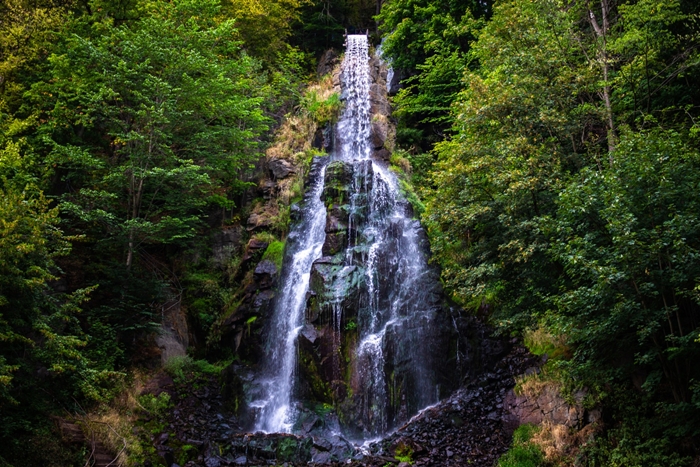
Tucked deep within the lush hills near Kemmangundi, Hebbe Waterfalls…

Bhadra Wildlife Sanctuary is where Chikkamagalur’s quiet hill-town charm gives…