



Coffee Plantations in Chikkamagalur – Exploring the Heart of India’s Coffee Country
When people think of Chikkamagalur, they often picture mist-covered hills,…

 19 Views
Tucked deep within the lush hills near Kemmangundi, Hebbe Waterfalls is one of the most breathtaking natural attractions in the Chikkamagalur region. Surrounded by dense forest, coffee estates, and mist-laced mountain air, the waterfall offers an experience that feels both adventurous and restorative.
Unlike easily accessible roadside waterfalls, Hebbe Falls requires effort to reach — and that’s exactly what makes it special. The journey through rugged estate roads and forest trails builds anticipation, and when the 551-foot cascade finally comes into view, it feels earned.
For travellers exploring Chikkamagalur and the Western Ghats, Hebbe Waterfalls is a must-visit destination.
Hebbe Waterfalls is located near Kemmangundi hill station in Karnataka, approximately 10 kilometers from Kemmangundi and about 65 kilometers from Chikkamagalur town. The waterfall lies within a private coffee estate area near Kesavinamane village in the Western Ghats.
Its forested setting makes it one of the more secluded waterfalls in the region. Unlike tourist-heavy viewpoints, Hebbe Falls retains a raw and immersive atmosphere.
The drive from Chikkamagalur to Kemmangundi itself is scenic, passing through winding mountain roads and green valleys. From Kemmangundi, the final stretch toward Hebbe Falls becomes narrower and more rugged, adding a sense of adventure.
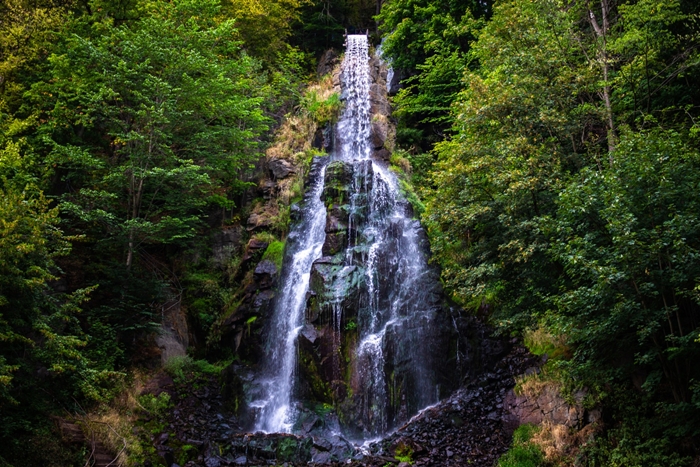
Hebbe Waterfalls plunges from a total height of approximately 551 feet, making it one of the taller waterfalls in Karnataka’s hill regions.
The waterfall descends in two stages:
The upper section drops dramatically over rocky cliffs before splitting into the lower cascade that forms a pool below. During monsoon and post-monsoon months, the water flow intensifies significantly, creating a thunderous and visually powerful display.
The surrounding forest amplifies the sound of falling water, creating a sensory experience that feels immersive rather than staged.
Reaching Hebbe Waterfalls is very much part of the adventure. Unlike roadside attractions that require minimal effort, Hebbe Falls rewards those willing to take the extra step — or ride — into the forested hills. The journey unfolds in stages, gradually shifting from paved mountain roads to rugged estate tracks.
The first leg of the journey involves driving from Chikkamagalur toward Kemmangundi, a scenic hill station known for its viewpoints, cool climate, and winding mountain roads. The route itself is picturesque, passing through stretches of forest, coffee estates, and occasional valley overlooks. Depending on traffic and road conditions, the drive from Chikkamagalur to Kemmangundi typically takes around two hours.
From Kemmangundi, continue approximately 10 kilometers toward the estate entry gate that leads to Hebbe Waterfalls. This final stretch becomes narrower and more rural in character. At the entry point, visitors usually register and pay the applicable entry and vehicle charges. Since the waterfall lies within a private estate and forested zone, access is regulated.
From the estate gate, visitors have two main options to reach the waterfall:
Jeep Ride:
This is the most common and recommended method, especially during monsoon or after heavy rain. The estate road can be rocky, uneven, and occasionally muddy. Jeeps driven by local operators navigate these tracks efficiently. The ride itself feels adventurous, bouncing gently over rugged terrain and passing through dense greenery.
Trek:
For those who prefer a more immersive experience, trekking is an alternative. The trail is approximately 4–5 kilometers one way and passes through coffee plantations, shaded forest paths, and small clearings. The trek is moderately challenging and may take about 1 to 1.5 hours depending on pace and trail conditions. Proper footwear is essential, particularly during wet seasons.
The jeep ride saves time and energy, making it suitable for families and those on a tighter schedule. The trek, on the other hand, allows visitors to connect more closely with the landscape before reaching the falls. Either way, the gradual transition from mountain road to forest interior builds anticipation — making the first glimpse of Hebbe Waterfalls all the more rewarding.
Hebbe Waterfalls is located within a forested estate area, so entry is regulated. Visitors usually pay an entry fee at the estate gate, along with additional charges if opting for a jeep ride.
Access is typically allowed during daytime hours, and entry generally closes by mid-afternoon (often around 3 PM). Because the falls lie inside a forest zone, late-evening visits are not permitted.
Timings and fees can occasionally change based on season or forest department regulations, so checking locally before planning your visit is advisable.
The best time to visit Hebbe Waterfalls is between September and February, when the water flow is strong and the weather remains comfortably cool. During this period, the surrounding forest is lush, the trails are more manageable, and the overall experience feels balanced between dramatic scenery and safe accessibility.
Monsoon transforms Hebbe Waterfalls into a powerful spectacle. The cascade swells significantly, crashing down with intensity and sending mist high into the air. The surrounding hills turn a vibrant shade of green, and low-hanging clouds add a dramatic atmosphere to the journey. However, heavy rainfall can make estate roads muddy and slippery. Trekking paths may become challenging, and visibility can occasionally be reduced due to mist. Visitors choosing to travel during monsoon should exercise caution and consider opting for the jeep ride instead of trekking.
This is widely regarded as the ideal period to visit Hebbe Falls. The water flow remains strong from the monsoon rains, but the weather stabilizes, making travel conditions safer and more comfortable. The forest retains its rich greenery, and the waterfall appears full and photogenic without the intense rainfall of peak monsoon. Trails are easier to navigate, and photography opportunities improve with clearer skies.
Winter offers cool, crisp air and pleasant temperatures, especially during morning visits. The waterfall continues to flow steadily, though slightly less forcefully than during monsoon. The comfortable climate makes it easier to spend extended time near the falls without feeling fatigued. Early mornings and late afternoons during winter are particularly enjoyable.
During summer months, the water flow may reduce slightly compared to monsoon season, but Hebbe Waterfalls still retains its charm. The surrounding forest remains scenic, and mornings are generally pleasant. Visiting early in the day is advisable to avoid midday warmth. While the cascade may not appear as dramatic as in rainy months, the relative calmness can make the experience quieter and less crowded.
Overall, post-monsoon and winter strike the best balance between accessibility, water volume, and comfort, making them the most recommended seasons for visiting Hebbe Waterfalls.
The first sound you hear is the steady rush of water long before the waterfall comes into view. It begins as a distant murmur and gradually grows louder as you walk closer through the forest trail. The path opens into a clearing, and suddenly the cascade reveals itself between thick green foliage — tall, powerful, and framed by rugged rock faces softened with moss and climbing plants.
Hebbe Falls drops dramatically in two stages, and seeing the water plunge from such height creates an immediate sense of scale. During monsoon and post-monsoon months, the flow is forceful and energetic, sending water crashing against rocks before collecting in the natural pool below. In drier months, the cascade remains steady but calmer, allowing visitors to observe its structure more clearly.
The natural pool at the base allows visitors to wade in shallow areas, making it tempting to step into the cool water after the forest journey. However, caution is necessary. The rocks can be slippery due to constant moisture, and currents may strengthen significantly during peak flow seasons. It’s important to stay within safe zones and avoid venturing too close to the heavier cascade.
The air feels noticeably cooler near the waterfall. Fine mist rises from the base and settles lightly on your skin, creating a refreshing sensation, especially after a jeep ride or trek through warm forest paths. The scent of wet earth and forest vegetation blends with the sound of rushing water, making the entire environment feel immersive and alive.
Unlike heavily commercialized waterfall destinations, Hebbe Falls maintains a sense of untamed beauty. There are no constructed viewing decks, souvenir stalls, or large concrete platforms interrupting the landscape. The surroundings remain largely untouched, allowing the waterfall to dominate the scene naturally. Nature remains in control — raw, powerful, and uninterrupted — which is precisely what makes the experience so memorable.
Many travellers combine Hebbe Waterfalls with a visit to Z Point, another scenic viewpoint located near Kemmangundi. While Hebbe Falls offers the thrill of cascading water deep within forest terrain, Z Point delivers expansive mountain views and one of the most stunning sunrise experiences in the region.
Z Point requires a short but rewarding trek through grassy hill slopes and rocky trails. The path is manageable for most visitors with moderate fitness and offers sweeping views even before you reach the final viewpoint. As you approach the edge, the hills seem to open up endlessly, revealing layered ridgelines that stretch far into the distance.
Sunrise at Z Point is particularly popular. Early morning visitors are greeted with cool air, soft light, and clouds often drifting through the valleys below. Watching the sun rise over the Western Ghats creates a dramatic contrast of shadows and golden hues — a completely different mood from the forested intensity of Hebbe Falls.
Planning both destinations in a single day creates a balanced and memorable itinerary. You can begin with sunrise at Z Point, return for breakfast at Kemmangundi or nearby stays, and then head toward Hebbe Waterfalls by mid-morning or early afternoon. The contrast between open mountain vistas and dense forest waterfall makes the day feel diverse rather than repetitive.
Together, Z Point and Hebbe Falls showcase two distinct sides of the Chikkamagalur landscape — elevated hilltop serenity and powerful forest cascades — making them a perfect pairing for nature lovers and photography enthusiasts alike.
Because the waterfall is located within a forest ecosystem, maintaining cleanliness and minimizing disturbance is essential.
Hebbe Falls offers stunning photographic opportunities. The two-tier cascade framed by dense greenery creates dramatic compositions. Early morning light filtering through the trees enhances depth and contrast.
During monsoon, rising mist adds mood and dimension to wide-angle shots. Photographers should be cautious while approaching water edges and avoid risky angles for the sake of photos.
Hebbe Waterfalls stands out not just because of its height or scenic setting, but because of the effort required to reach it. Unlike roadside attractions where you park and walk a few steps, Hebbe demands a little commitment — whether through a rugged jeep ride inside the estate or a forest trek that winds through shaded paths and uneven terrain. That gradual approach builds anticipation. The deeper you move into the hills, the more the outside world fades away.
When you finally stand before the 551-foot cascade, framed by thick forest and rugged cliffs, the experience feels earned rather than handed to you. The sound of water crashing against rock echoes through the valley, and the scale of the waterfall becomes fully apparent. There is a rawness to it — an unfiltered natural energy that feels powerful and grounding at the same time.
Beyond the visual spectacle, Hebbe Falls offers immersion. You are surrounded by the Western Ghats in their natural state — dense greenery, mountain air, and the constant rhythm of flowing water. There are no artificial structures dominating the scene, no distractions competing for attention. The landscape remains authentic and largely untouched.
It is not just a waterfall; it is a journey into the quieter, wilder side of Chikkamagalur. Visiting Hebbe Falls reminds you that some of the most rewarding destinations are those that require patience, effort, and respect for nature.
Hebbe Waterfalls remains one of the most scenic and adventurous natural attractions near Chikkamagalur. From its dramatic two-stage cascade and forest approach to its refreshing pool and misty surroundings, it offers both excitement and serenity.
After navigating estate roads and exploring forest terrain, returning to a comfortable stay enhances the experience. Hotels in Chikkamagalur like Olive Hotel Chikkamagalur provide a thoughtfully designed and convenient base near town. With modern amenities and easy access to major attractions, it’s the ideal place to relax after a day at Hebbe Waterfalls.
When people think of Chikkamagalur, they often picture mist-covered hills,…
Mullayanagiri Peak is the highest point in Karnataka, rising to…

Bhadra Wildlife Sanctuary is where Chikkamagalur’s quiet hill-town charm gives…