



How Long Does It Take to Travel from Gachibowli to Hyderabad’s Major Business Areas?
Gachibowli is one of Hyderabad’s major corporate and technology hubs,…

 705 Views
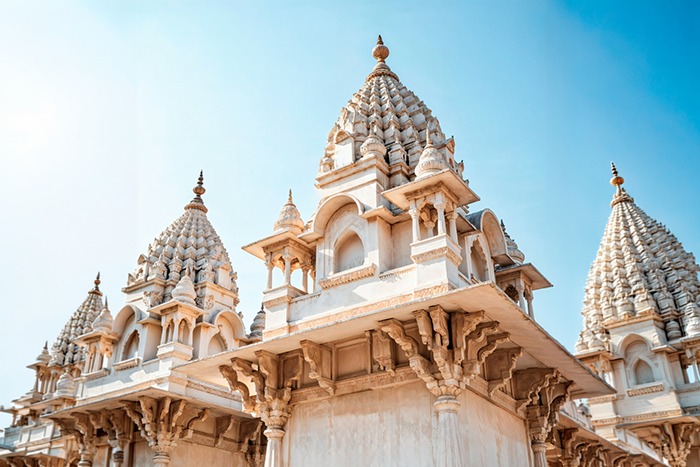
Perched atop Naubat Pahad, a hill overlooking the heart of Hyderabad, Birla Mandir Hyderabad is one of the city’s most visited religious and cultural landmarks. Known for its striking white marble architecture, peaceful atmosphere, and panoramic city views, the temple attracts devotees and tourists alike.
Unlike many historic temples that evolved over centuries, Birla Mandir represents a modern expression of traditional Indian temple architecture. Its elevated location, intricate craftsmanship, and spiritual ambience make it a must-visit destination for anyone exploring Hyderabad.
Whether you are seeking a place of worship, a viewpoint overlooking the city, or a cultural attraction that reflects India’s architectural heritage, Birla Mandir offers a memorable experience.
Birla Mandir is dedicated to Lord Venkateswara, a form of Lord Vishnu who is widely worshipped across India. The temple was constructed by the Birla Foundation, a philanthropic organization known for building a series of Birla temples across the country.
Located on a 280-foot-high hill known as Naubat Pahad, the temple stands prominently above the surrounding cityscape. Its elevated position allows visitors to enjoy sweeping views of Hyderabad while experiencing a calm environment away from the city’s traffic and noise.
Since its inauguration, Birla Mandir has become one of Hyderabad’s most recognizable landmarks, attracting visitors from across India and abroad.
The construction of Birla Mandir began under the initiative of the Birla Foundation and was completed in 1976. The project was envisioned as a spiritual and cultural landmark that would blend traditional temple design with modern construction techniques.
The temple was built using thousands of tons of white marble sourced from Rajasthan. The choice of marble not only gives the structure its distinctive appearance but also creates a serene visual effect, particularly during sunrise and sunset when the stone reflects changing shades of light.
Unlike ancient temples associated with royal dynasties, Birla Mandir represents a contemporary effort to preserve and celebrate India’s spiritual traditions. Over the decades, it has become an integral part of Hyderabad’s cultural identity.
One of the most remarkable aspects of Birla Mandir Hyderabad is its architecture. The temple combines influences from various South Indian, North Indian, and Odishan temple styles, creating a unique visual identity that distinguishes it from many other modern temples in India.
The entire structure is built from white marble, giving it a striking appearance against Hyderabad’s skyline. During daylight hours, the marble reflects sunlight beautifully, while in the evening the illuminated temple stands out dramatically against the cityscape. This use of white marble not only enhances the temple’s visual appeal but also contributes to its serene and spiritual atmosphere.
Key architectural highlights include:
The craftsmanship throughout the temple is exceptional. Carvings of deities, floral patterns, and mythological scenes showcase the skill of the artisans involved in its construction. Every section of the temple reveals attention to detail, from the decorative ceilings to the carefully sculpted walls and entrances.
One of the most distinctive features of the temple is the way it blends architectural traditions from different regions of India into a cohesive design. Elements inspired by Dravidian temple architecture coexist with features commonly seen in North Indian temples, while certain carvings reflect influences from the renowned temple traditions of Odisha. This fusion creates a structure that feels both familiar and unique.
As visitors move through the temple complex, they encounter multiple shrines dedicated to different Hindu deities, reflecting the diversity of Hindu worship traditions. The layout is thoughtfully planned, allowing devotees to move comfortably between prayer spaces while maintaining a sense of spiritual continuity throughout the complex.
The elevated location of Birla Mandir further enhances its architectural impact. Approaching the temple involves ascending the hill, gradually revealing more of the structure and the surrounding city views. This sense of arrival adds to the experience and reinforces the temple’s prominence within Hyderabad’s landscape.
The marble pathways, open courtyards, and viewing points also contribute to the overall design. Rather than feeling crowded or enclosed, the complex feels spacious and harmonious, encouraging visitors to spend time appreciating both the architecture and the peaceful environment. For many visitors, the temple is as much an architectural landmark as it is a place of worship, making it one of Hyderabad’s most visually impressive attractions.
The primary deity worshipped at Birla Mandir is Lord Venkateswara, whose idol is carved from a single block of granite and stands as the focal point of the temple. The beautifully sculpted idol reflects the temple’s dedication to one of the most revered forms of Lord Vishnu and serves as the spiritual center of the entire complex.
Devotees visiting the temple often spend time in quiet prayer before the main sanctum, where the serene atmosphere and elegant surroundings create a strong sense of devotion. The sanctum is designed to draw attention toward the deity while maintaining the simplicity and spiritual focus expected in a place of worship.
In addition to the main shrine, the temple complex houses smaller shrines dedicated to:
This arrangement allows devotees to offer prayers to multiple deities within a single visit. Many visitors follow a traditional path through the complex, stopping at each shrine before concluding their visit at the main sanctum. This creates a holistic spiritual experience that appeals to devotees from different traditions within Hinduism.
Each shrine features distinctive architectural and decorative elements while remaining harmonious with the overall design of the temple. Sculptures, carvings, and symbolic motifs associated with the respective deities add depth and cultural richness to the experience.
The presence of multiple shrines also reflects the inclusive nature of Hindu worship, where devotees often seek blessings from various deities associated with wisdom, prosperity, protection, knowledge, and spiritual growth. This diversity makes the temple meaningful to a broad range of visitors.
The spiritual atmosphere remains calm and respectful throughout the complex, making it appealing even for visitors who are not primarily visiting for religious purposes. The peaceful environment, combined with the temple’s elevated location and panoramic views, encourages moments of reflection and contemplation.
During festivals and special religious occasions, these shrines become focal points for rituals and celebrations, attracting larger numbers of devotees. Even on ordinary days, however, the temple maintains a sense of tranquility that allows visitors to appreciate both its spiritual significance and architectural beauty. For many people, Birla Mandir is not only a place of worship but also a space for inner calm and connection amidst the energy of the city below.
Visitors frequently search for Birla Mandir Hyderabad timings before planning their trip.
The temple is generally open daily from:
7:00 AM to 12:00 PM
3:00 PM to 9:00 PM
Timings may occasionally vary during major festivals or special religious events.
One of the advantages of visiting Birla Mandir is that there is no entry fee. Visitors can explore the temple and enjoy the surrounding views without any admission charges.
Photography inside the main temple complex is generally restricted. Visitors may be required to deposit mobile phones, cameras, or electronic devices before entering certain sections of the temple.
Checking the latest visitor guidelines before arrival is advisable.
Beyond its religious significance, Birla Mandir is known for offering some of the best elevated views in Hyderabad.
From various points around the temple, visitors can enjoy views of:
The elevated location creates a sense of openness rarely found within a busy metropolitan area.
Many visitors spend time simply admiring the scenery after completing their temple visit.
The best time to visit Birla Mandir is during the cooler months between October and February, when Hyderabad’s weather is more pleasant for outdoor exploration.
Morning hours offer:
Evenings are particularly popular because:
Sunset is often considered one of the most rewarding times to visit due to the combination of city views and changing light conditions.
Birla Mandir becomes especially vibrant during major Hindu festivals.
Important celebrations include:
During these occasions, the temple is decorated extensively and attracts large numbers of devotees.
Visitors interested in cultural and religious traditions may find festival periods particularly enriching, though crowds tend to be significantly larger.
Birla Mandir’s central location makes it easy to combine with several popular Hyderabad attractions.
One of Hyderabad’s most famous landmarks, Hussain Sagar Lake offers boating experiences, lakefront views, and access to the iconic Buddha Statue.
Located near the lake, Lumbini Park features landscaped gardens, fountains, and recreational spaces suitable for families.
Necklace Road is a popular destination for evening walks, dining, and lake views. It becomes especially lively after sunset.
This urban park offers open green spaces, family attractions, and recreational activities.
Located close to the temple, the Birla Science Museum features exhibits related to science, astronomy, archaeology, and technology.
Visitors often combine the museum and temple in a single outing.
Birla Mandir is approximately 15–18 kilometers from Hitech City and can usually be reached within 30–45 minutes depending on traffic.
The journey from Gachibowli typically takes around 35–50 minutes by road.
Rajiv Gandhi International Airport is approximately 30 kilometers away, with travel times ranging from 45 minutes to an hour depending on traffic conditions.
Visitors can use the Hyderabad Metro and then take a short cab or auto-rickshaw ride to reach the temple.
App-based taxis and local transport options are widely available throughout the city.
Visitors exploring attractions such as Birla Mandir, Hussain Sagar Lake, Necklace Road, and other central Hyderabad landmarks often choose accommodations in well-connected areas like Hitech City and Kondapur.
Olive Hotel Hitech City by Embassy Group offers a convenient base for travellers looking to explore both Hyderabad’s modern IT corridor and its cultural attractions. Located in Kondapur near Hitech City, the property features comfortable rooms, high-speed internet, community spaces, and modern amenities suitable for both leisure and business travellers.
Its location provides easy connectivity to major attractions across the city while offering a comfortable place to relax after a day of sightseeing.
A few simple tips can help make your visit more enjoyable:
Respecting the spiritual atmosphere enhances the experience for both visitors and devotees.
Birla Mandir Hyderabad combines spirituality, architecture, and panoramic city views in a way few attractions can. Its striking white marble structure, peaceful atmosphere, and elevated location make it one of the city’s most memorable landmarks.
Whether you are interested in religious heritage, architectural beauty, photography, or simply experiencing a quieter side of Hyderabad, Birla Mandir offers something meaningful for every visitor.
For anyone exploring Hyderabad, a visit to Birla Mandir remains an essential part of understanding the city’s cultural and spiritual landscape.

Gachibowli is one of Hyderabad’s major corporate and technology hubs,…

Kharadi is one of Pune’s prominent business and residential areas,…
Koregaon Park is one of Pune’s most popular neighbourhoods, known…