



How Long Does It Take to Travel from Gachibowli to Hyderabad’s Major Business Areas?
Gachibowli is one of Hyderabad’s major corporate and technology hubs,…

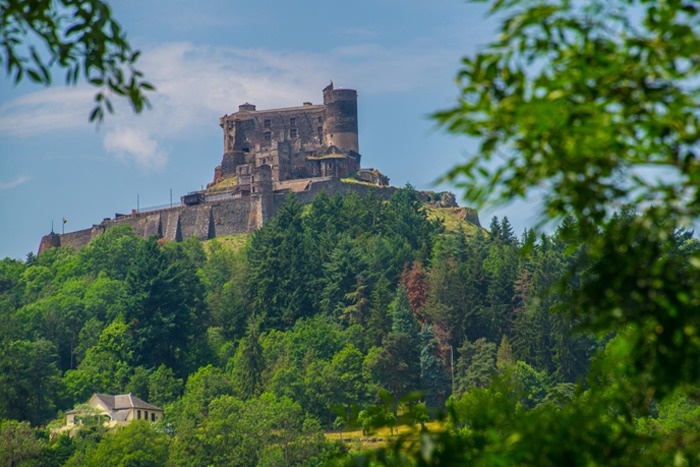
 702 Views
Standing proudly atop the Sahyadri hills, Sinhagad Fort Pune is one of Maharashtra’s most iconic historical landmarks. Located approximately 35 kilometers southwest of Pune, the fort attracts history enthusiasts, trekkers, photographers, and nature lovers throughout the year.
Known for its association with the legendary Maratha warrior Tanaji Malusare, Sinhagad Fort is more than just a hilltop destination. It is a place where history, military strategy, natural beauty, and adventure converge.
Today, visitors come to Sinhagad not only to explore its historical ruins but also to enjoy scenic views, trekking routes, local food, and a refreshing escape from urban life. Whether you are interested in Maratha history or simply looking for a memorable day trip from Pune, Sinhagad Fort remains one of the city’s most rewarding destinations.
The history of Sinhagad Fort stretches back more than two thousand years. Originally known as Kondhana Fort, it occupied a strategically important position overlooking the surrounding valleys and trade routes.
The fort changed hands multiple times throughout its history, coming under the control of various dynasties including the Yadavas, Bahamanis, Mughals, and Marathas.
Its most famous chapter unfolded in 1670 during the reign of Chhatrapati Shivaji Maharaj. At that time, the fort was under Mughal control. Shivaji entrusted the mission of recapturing the fort to his trusted commander Tanaji Malusare.
The resulting battle became one of the most celebrated events in Maratha history. Tanaji fought bravely but lost his life during the conflict. Although the Marathas succeeded in reclaiming the fort, Shivaji is said to have mourned the loss of his commander with the famous words:
“Gad ala, pan Sinha gela” (The fort is won, but the lion is lost).
Following this victory, Kondhana Fort was renamed Sinhagad, meaning “Lion’s Fort,” in honor of Tanaji’s courage.
Today, the fort stands as a powerful symbol of sacrifice, leadership, and Maratha pride.
One reason Sinhagad Fort played such a crucial role throughout history is its location.
Situated at an elevation of approximately 1,312 meters (4,304 feet) above sea level, the fort commands expansive views of the surrounding region. From its ramparts, defenders could monitor approaching armies and control important routes connecting Pune to other parts of western Maharashtra.
The steep slopes surrounding the fort provided natural defenses, making it difficult for invading forces to launch direct attacks. Even today, visitors can appreciate why this hilltop position was considered strategically valuable.
The panoramic views remain one of the fort’s biggest attractions.
Although much of the original fortification has weathered over time, Sinhagad Fort still contains several structures that offer valuable insight into its historical significance and military importance.
Visitors can explore:
The rugged architecture reflects the practical needs of a hill fort designed primarily for defense rather than luxury. Every element of the fort was built with strategic functionality in mind. The thick stone walls, elevated watchpoints, and carefully positioned gateways helped protect the fort from invading forces while allowing defenders to monitor movements across the surrounding valleys.
One of the most impressive aspects of Sinhagad’s design is how naturally it integrates with the terrain. Rather than reshaping the mountain extensively, builders used the steep slopes and rocky cliffs as part of the fort’s defensive system. This made direct attacks extremely difficult and increased the fort’s strategic value.
The bastions positioned along the fort’s edges once served as observation and defense points. From these locations, soldiers could keep watch over important routes and communicate with nearby forts. Even today, many of these vantage points offer sweeping views of the Sahyadri landscape, helping visitors appreciate the fort’s commanding position.
The stone gateways that remain standing provide a glimpse into the engineering techniques of the period. Designed to control access and slow advancing enemies, these entrances were crucial components of the fort’s security system. Their weathered appearance today only adds to their historical character.
Another notable feature is the presence of ancient water reservoirs. These storage systems ensured a reliable water supply during long periods of siege, allowing the fort to remain self-sufficient when cut off from surrounding settlements. The reservoirs highlight the level of planning that went into sustaining life within the fort.
Scattered throughout the complex are remnants of military structures, storage areas, and administrative spaces that once supported daily operations. While many of these buildings survive only in fragments, they help visitors understand that Sinhagad was not merely a battlefield but also a functioning military stronghold.
Historic temples within the fort walls add a spiritual dimension to the site. These structures served the religious needs of soldiers, residents, and visitors, reflecting the close relationship between faith and daily life during the fort’s active years.
Walking through the ruins allows visitors to imagine the fort’s role during periods of conflict and governance. The weathered stones, surviving walls, and commanding viewpoints create a tangible connection to the centuries of history that unfolded here. Rather than appearing as isolated ruins, the remains collectively tell the story of a fort that once stood at the center of military strategy, political power, and regional history.
The Kalyan Darwaza is one of the fort’s main gateways and an important historical feature. The entrance reflects traditional fortification design and offers a glimpse into how access to the fort was controlled.
Built as a defensive structure rather than a ceremonial entrance, the gateway demonstrates the practical military architecture that characterized many Maratha forts. The stone construction, strategic positioning, and surrounding fortifications were designed to make enemy entry difficult while allowing defenders to maintain control over movement into the fort.
Today, the gateway serves as one of the most photographed sections of Sinhagad and provides visitors with an immediate connection to the fort’s military past.
Another significant entrance, Pune Darwaza served as a key access point for people approaching from Pune.
Historically, this gateway played an important role in connecting the fort with surrounding settlements and administrative centers. The route leading to the gate would have been used by soldiers, messengers, traders, and officials moving between the fort and the plains below.
Standing near Pune Darwaza, visitors can appreciate the strategic planning that went into controlling access to such an important hill fort. The surrounding views also help illustrate why the location was considered so valuable from a defensive perspective.
One of the most visited locations within the fort is the memorial dedicated to Tanaji Malusare. Visitors often pause here to learn about his role in the fort’s history and pay tribute to his sacrifice.
The memorial commemorates the legendary Maratha commander who led the daring mission to recapture Kondhana Fort from Mughal control in 1670. His bravery during the battle remains one of the most celebrated stories in Maharashtra’s history.
For many visitors, this memorial represents the emotional heart of Sinhagad Fort. It transforms the site from a collection of ruins into a place connected to real historical figures whose actions shaped the region’s history.
The fort also houses a memorial associated with Rajaram Maharaj, the younger son of Chhatrapati Shivaji Maharaj.
Rajaram played an important role in continuing Maratha resistance during a challenging period in the empire’s history. His association with Sinhagad adds another layer of historical significance to the fort.
Visitors interested in Maratha history often spend time exploring this area to better understand the broader historical context surrounding the fort and its connection to the ruling dynasty.
Dedicated to Lord Shiva, this historic temple provides a spiritual dimension to the fort complex and attracts devotees alongside tourists.
The temple is believed to have existed in some form long before many of the later military developments at the fort. Its presence highlights how religious life and military life often coexisted within major hill forts.
Even today, the temple remains an active place of worship. Visitors frequently stop here for prayer or quiet reflection, finding a moment of calm amidst the fort’s historical landscape.
Numerous viewpoints throughout the fort offer stunning vistas of valleys, hills, reservoirs, and surrounding countryside.
On clear days, visitors can see significant portions of the Sahyadri mountain range stretching into the distance. The elevated position creates dramatic panoramic views that change throughout the day as sunlight moves across the landscape.
Sunrise and sunset are particularly rewarding times to visit these viewpoints. During monsoon season, rolling clouds often drift across the valleys below, creating spectacular scenes that attract photographers and nature enthusiasts. Winter mornings can be equally beautiful, with cool temperatures and excellent visibility enhancing the experience.
Many visitors find themselves spending considerable time at these viewpoints, simply appreciating the scale of the surrounding landscape. The views also help explain why Sinhagad Fort was such a strategically important stronghold. From these vantage points, it becomes easy to understand how defenders could monitor movements across vast stretches of terrain.
Together, these attractions ensure that a visit to Sinhagad Fort is more than a historical excursion. The combination of memorials, gateways, temples, and scenic overlooks creates an experience that blends history, culture, spirituality, and natural beauty in one remarkable destination.
One of the biggest reasons people visit Sinhagad is the Sinhagad Fort trek.
The trek is considered beginner-friendly and attracts both first-time hikers and experienced trekkers.
The most commonly used trekking route covers approximately:
2.5 to 3 kilometers one way
The climb typically takes:
45 minutes to 1.5 hours
depending on fitness levels and pace.
The route is generally classified as easy to moderate.
Stone steps, dirt trails, and gradual inclines characterize much of the climb. While most visitors can complete the trek comfortably, carrying water and wearing appropriate footwear is recommended.
Many visitors begin their climb before sunrise.
The cool temperatures, quiet trails, and breathtaking sunrise views from the top make early morning treks especially popular.
Visitors frequently search for Sinhagad Fort timings before planning a trip.
The fort is generally accessible from:
5:00 AM to 6:00 PM
Timings may vary slightly depending on seasonal regulations and local administration guidelines.
A nominal entry fee is typically charged for visitors and vehicles entering the fort area.
Fees may change periodically, so checking current rates before visiting is advisable.
Visitors driving to the fort can find parking facilities near the upper sections of the hill, reducing the amount of trekking required.
A visit to Sinhagad Fort is often incomplete without trying the local food available near the summit.
Popular options include:
The simple, traditional Maharashtrian food adds authenticity to the overall experience.
Many visitors enjoy relaxing with a meal while taking in views of the surrounding hills.
The best time to visit Sinhagad Fort depends on the type of experience you are seeking.
Monsoon transforms the fort into a lush green landscape.
Clouds drift across the hills, waterfalls appear in nearby valleys, and the scenery becomes especially dramatic.
However, trekking routes can become slippery.
This is widely considered the ideal period for visiting.
The weather remains pleasant, visibility improves, and trekking conditions are comfortable.
Temperatures rise significantly during the day, though early morning visits remain enjoyable.
Sunrise treks are particularly popular during summer.
Located nearby, Khadakwasla Dam offers scenic water views and is often combined with a Sinhagad visit.
Known for water sports and natural beauty, Panshet provides a refreshing extension to a day trip.
History and trekking enthusiasts often combine Sinhagad with Torna Fort, another important fort associated with Shivaji Maharaj.
Rajgad served as an important capital of the Maratha Empire and remains a favorite destination among serious trekkers.
The surrounding National Defence Academy region offers scenic roads and attractive landscapes.
Sinhagad Fort is approximately 35 kilometers from central Pune.
Travel time typically ranges from:
1 to 1.5 hours
depending on traffic.
Visitors staying in Baner can usually reach the fort within 60–90 minutes by road.
The journey from Wakad generally takes around 1.5 hours.
Hinjewadi residents and visitors can reach Sinhagad through connecting highways and local roads.
Private vehicles remain the most convenient mode of transport.
Visitors exploring Sinhagad Fort often choose accommodations in western Pune areas such as Baner, Wakad, Aundh, and Hinjewadi, which provide convenient access to both city attractions and nearby hill destinations.
Olive Hotels in Pune offer comfortable accommodations with modern amenities, making them suitable for leisure travellers and weekend explorers. Their strategic locations allow visitors to enjoy easy access to Pune’s restaurants, shopping areas, and popular attractions while remaining well-connected to destinations like Sinhagad Fort.
Staying in western Pune also makes it convenient to combine historical sightseeing with local dining, nightlife, and other nearby experiences.
A few simple tips can make your visit more enjoyable:
Visitors should also respect the historical significance of the site and avoid damaging structures or inscriptions.
Sinhagad Fort offers a compelling blend of history, adventure, culture, and natural beauty. From the legendary story of Tanaji Malusare to the panoramic views of the Sahyadri hills, every aspect of the fort contributes to a memorable experience.
Whether you choose to trek to the summit, explore its historical ruins, enjoy traditional Maharashtrian food, or simply admire the scenery, Sinhagad Fort provides one of the most rewarding day trips from Pune.
For history lovers, trekkers, photographers, and families alike, Sinhagad Fort Pune remains one of Maharashtra’s most iconic and enduring destinations.

Gachibowli is one of Hyderabad’s major corporate and technology hubs,…

Kharadi is one of Pune’s prominent business and residential areas,…
Koregaon Park is one of Pune’s most popular neighbourhoods, known…