



How Long Does It Take to Travel from Gachibowli to Hyderabad’s Major Business Areas?
Gachibowli is one of Hyderabad’s major corporate and technology hubs,…


 1238 Views
Chikkamagalur is best known for its mist-covered hills, winding plantation roads, and scenic viewpoints that stretch endlessly into the Western Ghats. Visitors often rush toward these natural attractions, eager to escape into forests and coffee estates. Yet, nestled quietly within the town itself is a space that offers a different kind of pause—Mahatma Gandhi Park. This park is not about dramatic landscapes or grand views. Instead, it is about stillness, accessibility, and everyday life unfolding gently around nature.
Mahatma Gandhi Park holds a special place in Chikkamagalur’s social and cultural fabric. For locals, it is a familiar refuge woven into daily routines. For visitors, it offers a moment to slow down, observe local life, and experience the town beyond tourist itineraries. The park reflects the spirit of Mahatma Gandhi himself—simple, grounded, and deeply connected to people.
In hill towns like Chikkamagalur, nature often feels abundant because of surrounding forests and plantations. However, accessible public green spaces within town limits play a crucial role in everyday life. Mahatma Gandhi Park fulfils this role quietly and effectively.
Unlike remote viewpoints or trekking trails that require time and effort to reach, this park is easy to access for all age groups. Elderly residents, children, families, and working professionals all find a place here. It offers shade, seating, walking paths, and open lawns—elements that may seem simple but are essential for community well-being.
The presence of such a park within the town centre ensures that nature is not something reserved only for travellers or weekend outings, but a daily companion for residents.
Mahatma Gandhi Park is named in honour of Mahatma Gandhi, whose philosophy of simplicity, harmony, and peaceful coexistence continues to inspire public spaces across India. While the park does not function as a historical memorial in the strict sense, its name sets the tone for what it represents—a space meant for quiet reflection, inclusivity, and collective use.
Over the years, the park has evolved alongside Chikkamagalur. As the town grew and tourism increased, the park remained a constant. Renovations and maintenance efforts have kept it functional and welcoming without turning it into a commercialised attraction. This balance between preservation and practicality has helped the park retain its character.
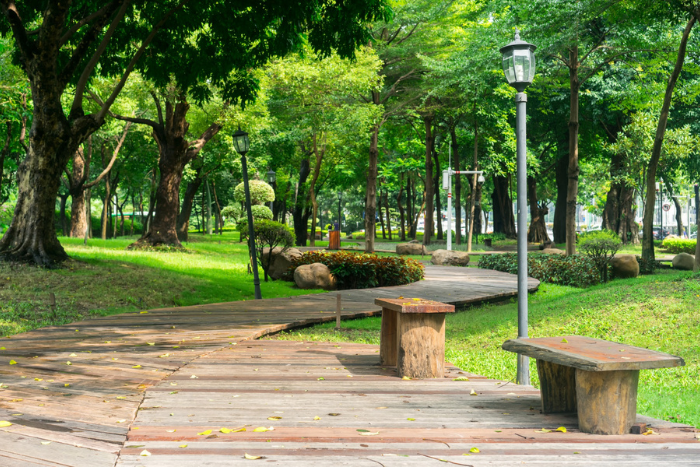
Mahatma Gandhi Park is thoughtfully laid out to encourage movement as well as rest. Walking paths curve gently through shaded areas, inviting visitors to take slow strolls rather than hurried laps. Benches are placed at intervals, allowing people to sit comfortably, observe their surroundings, or engage in quiet conversation.
Trees form the backbone of the park’s landscape. Mature canopies provide natural shade, making the park pleasant even during warmer parts of the day. Seasonal flowers add colour without overwhelming the natural greenery, and well-maintained lawns offer open spaces for children to play or families to gather.
The overall atmosphere is calm and unforced. There is no pressure to “do” anything. The park allows people to simply be present.
For locals, Mahatma Gandhi Park is part of daily life. Mornings often begin with walkers and joggers making their rounds, some alone and others in small groups. Elderly residents arrive early to enjoy the quiet, exchanging greetings and settling into familiar benches.
As the day progresses, families with children visit in the late afternoons. The park becomes a place for laughter, play, and gentle activity. Parents sit watching their children, conversations flowing easily. Evenings bring another wave of visitors—students, couples, and office-goers looking to unwind before heading home.
This steady rhythm gives the park a lived-in feel. It is not a space people visit occasionally, but one they return to repeatedly.
For travellers, Mahatma Gandhi Park offers something rare—the opportunity to observe Chikkamagalur as it truly is. Away from plantations and resorts, the park reveals the town’s everyday pace. You see families interacting, children playing freely, elders sharing stories, and individuals finding moments of solitude.
Sitting quietly in the park allows visitors to blend into local life rather than stand apart from it. This experience often becomes unexpectedly meaningful, offering a sense of connection that sightseeing alone cannot provide.
The park transforms subtly with the seasons. During the monsoon months, the greenery deepens, and the air feels fresh and cool. Rain brings a soothing quiet, and visitors often linger longer, enjoying the sound of water on leaves.
Winter mornings are crisp and peaceful, ideal for long walks and quiet reflection. Fog sometimes drifts lightly through the park, adding to its calm atmosphere. Summer sees more activity in the evenings, as residents seek relief from daytime heat under shaded trees.
These seasonal shifts ensure that the park never feels static. Each visit offers a slightly different experience.
While Mahatma Gandhi Park does not host large events frequently, it plays an understated role in community gatherings. Occasional celebrations, public meetings, or small cultural activities take place here, reinforcing its role as a shared civic space.
More importantly, the park supports informal social interaction. It is where friendships are maintained, routines are built, and a sense of belonging is reinforced. In a town balancing tourism and tradition, spaces like this help preserve community bonds.
As Chikkamagalur attracts more visitors each year, the importance of preserving everyday spaces becomes greater. Mahatma Gandhi Park reminds both locals and visitors that a town’s soul lies not only in its attractions but in its shared spaces.
The park resists commercialisation. There are no loud attractions, no vendors competing for attention, and no pressure to consume. This restraint is what makes it valuable. It offers balance—a place where life slows naturally.
Mahatma Gandhi Park’s central location makes it easy to include in any Chikkamagalur itinerary. A visit to the park pairs well with a walk through nearby markets, cafés, or temples. Many visitors find that spending an hour here early in the trip helps them settle into the town’s rhythm.
After days spent exploring hills and plantations, returning to the park provides a gentle sense of familiarity and closure.
Perhaps the greatest gift of Mahatma Gandhi Park is the pause it offers. In a world increasingly driven by schedules and experiences, the park invites unstructured time. You can sit without purpose, walk without destination, and leave feeling lighter than when you arrived.
This quiet impact is easy to overlook, but it stays with visitors long after they leave.
Mahatma Gandhi Park carries meaning that goes beyond its visible greenery. For many residents of Chikkamagalur, the park is deeply tied to memory. People remember visiting it as children, later bringing their own children, and eventually returning as elders. In this way, the park quietly marks the passage of time. It witnesses generations change while remaining a familiar constant in the town’s landscape.
Such continuity is rare in places experiencing tourism-driven growth. Cafés, hotels, and shops come and go, but public parks endure. Mahatma Gandhi Park’s steady presence gives residents a sense of rootedness. Even as Chikkamagalur expands outward, the park remains an emotional centre—unchanged in purpose, even as the town around it evolves.
Visitors who spend time observing local interactions often sense this attachment. Conversations here feel relaxed and unhurried, shaped by familiarity rather than novelty. It’s not uncommon to see the same people returning at the same time each day, following routines that have developed over years. These patterns give the park a lived-in quality that cannot be designed or replicated.
Beyond its social role, Mahatma Gandhi Park serves as an important space for mental and emotional well-being. In a hill town where tourism activity can create bursts of noise and movement, the park offers balance. It provides a quiet environment where residents can decompress, reflect, and reconnect with themselves.
Morning walkers often speak of the clarity they feel after a few rounds in the park. The simple act of walking among trees, breathing fresh air, and maintaining a routine contributes significantly to mental health. For elders, the park offers companionship and structure. For younger residents, it becomes a place to step away from screens and schedules.
Visitors, too, benefit from this atmosphere. After days of sightseeing, many travellers find themselves drawn to the park without planning to be. Sitting here requires no agenda, making it one of the few spaces where time feels unmeasured. This sense of ease often becomes one of the most memorable aspects of a Chikkamagalur trip.
Unlike forests or trekking trails, Mahatma Gandhi Park allows visitors to experience nature at a human scale. Trees, plants, birds, and open lawns coexist with benches, pathways, and people. This balance makes nature accessible without demanding effort or expertise.
Birdsong is often audible in the mornings and evenings, adding a gentle soundtrack to the park. Seasonal changes bring subtle shifts in colour, scent, and atmosphere. Visitors who return at different times of the year notice these changes, even if they can’t always articulate them. This quiet interaction with nature fosters attentiveness and presence.
For children, the park becomes an early classroom—one where they learn through play and observation rather than instruction. For adults, it offers reminders of simplicity that are easy to overlook in everyday life.
Chikkamagalur’s popularity as a tourist destination means that many experiences are structured—guided tours, viewpoints, plantation visits, and scheduled activities. Mahatma Gandhi Park offers a counterpoint to this structure. There are no tickets, no time slots, and no expectations.
This openness makes the park particularly valuable for travellers who prefer organic exploration. Spending time here does not feel like ticking an attraction off a list. Instead, it feels like participating in the town’s everyday rhythm. This subtle shift often changes how visitors perceive Chikkamagalur, moving their focus from scenery alone to lived experience.
Time of day plays a significant role in shaping the park’s atmosphere. Early mornings are quiet and reflective, marked by soft light and slow movement. The park feels almost meditative during these hours, appealing to those seeking solitude.
Midday brings calm rather than crowds. The park rests, shaded by trees, waiting for activity to return. Late afternoons introduce gentle energy as families arrive and conversations begin to fill the space. Evenings are social and warm, with the park acting as a shared living room for the town.
Each phase adds a layer to the park’s identity, making repeat visits rewarding.
As towns grow and lifestyles become faster, spaces like Mahatma Gandhi Park become increasingly important. They offer access to nature without barriers, encourage slow living, and support community interaction. In a world that often prioritises development over balance, such parks remind us of what makes towns livable.
For Chikkamagalur, Mahatma Gandhi Park represents restraint. It shows that not every space needs to be monetised or redesigned to attract attention. Some spaces simply need to exist—and be cared for.
Mahatma Gandhi Park in Chikkamagalur may not feature on dramatic travel postcards, but it represents something equally important—everyday peace. It is a space where nature, community, and routine coexist harmoniously. For locals, it is a trusted companion. For visitors, it is a reminder that travel is as much about stillness as it is about exploration.
And if you’re planning to spend a few days discovering Chikkamagalur’s viewpoints, coffee estates, and town landmarks, staying nearby enhances the experience. Hotels in Chikmagalur like Olive Hotel offer a comfortable and thoughtfully designed base close to key attractions. With modern amenities and a calm atmosphere, it’s the ideal place to return to after a day of quiet walks, scenic drives, and reflective moments in the heart of coffee country.

Gachibowli is one of Hyderabad’s major corporate and technology hubs,…

Kharadi is one of Pune’s prominent business and residential areas,…
Koregaon Park is one of Pune’s most popular neighbourhoods, known…